AI has made it easier than ever for small businesses to create professional-looking marketing materials. But as more businesses use AI-generated graphics for their advertisements, social media posts, and promotional flyers, something interesting is happening. A lot of these designs are starting to look alike.
I recently watched an Instagram video from creator Matt Bernstein (@mattxiv) discussing what he calls an "AI graphic design epidemic."
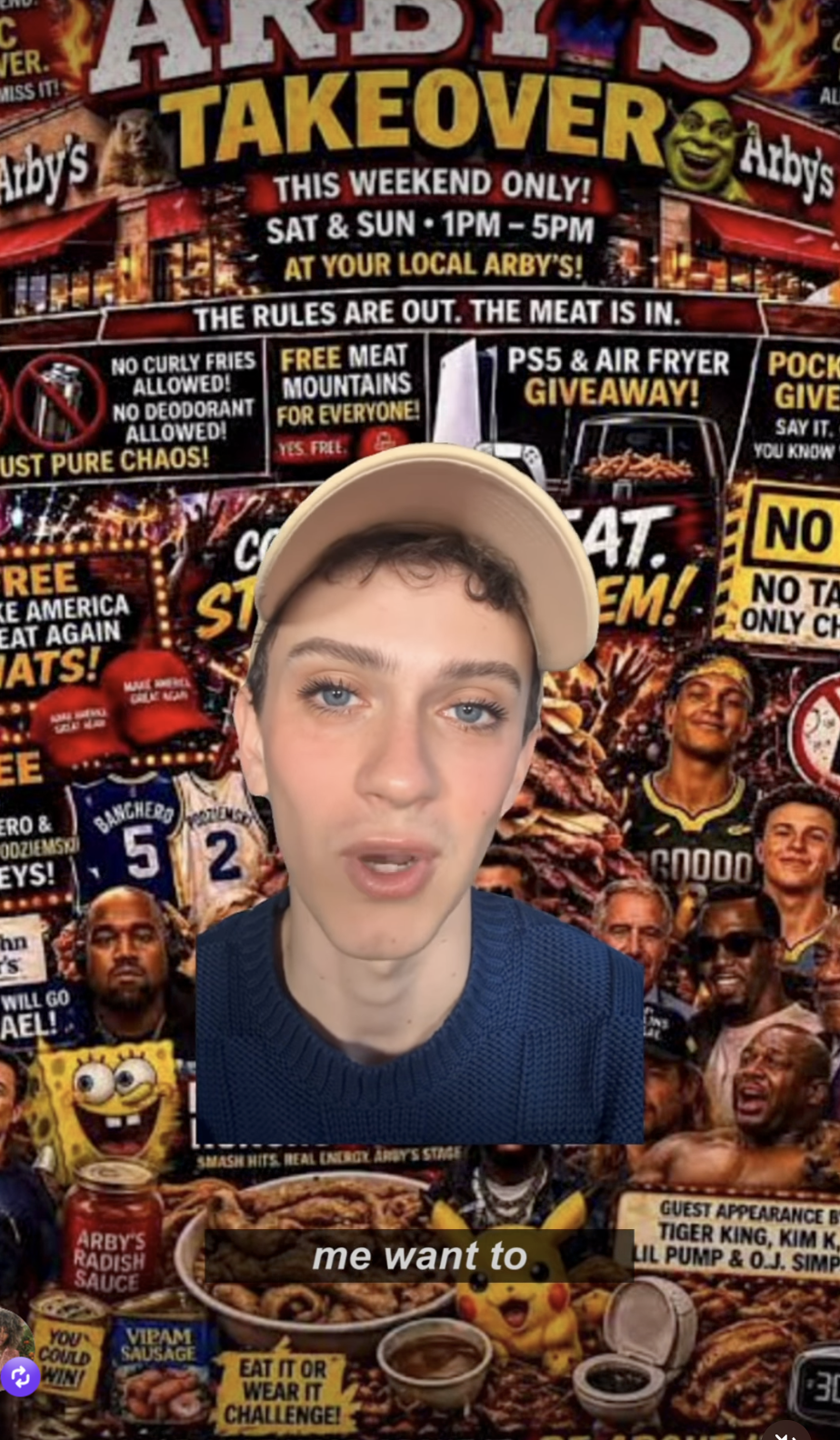
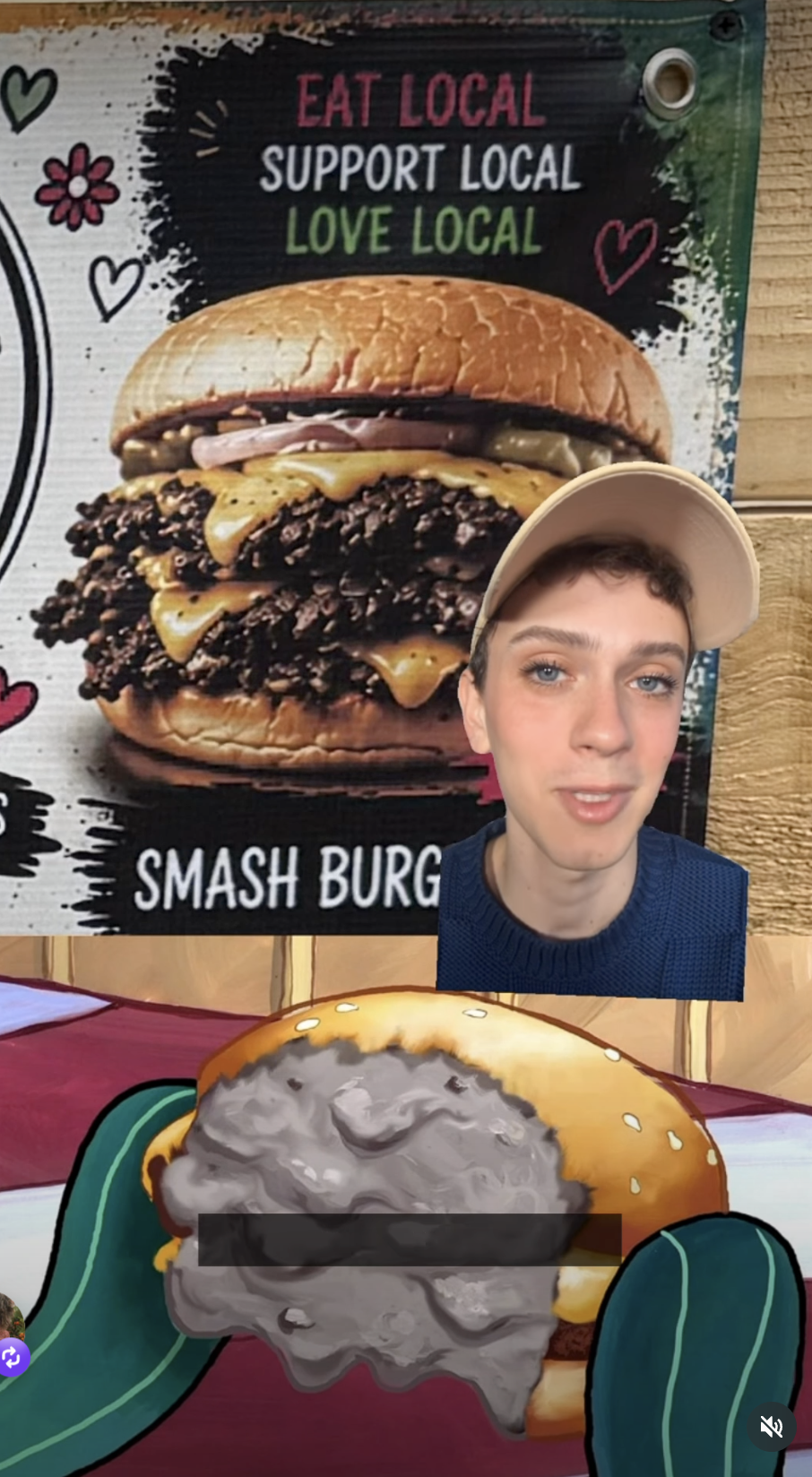
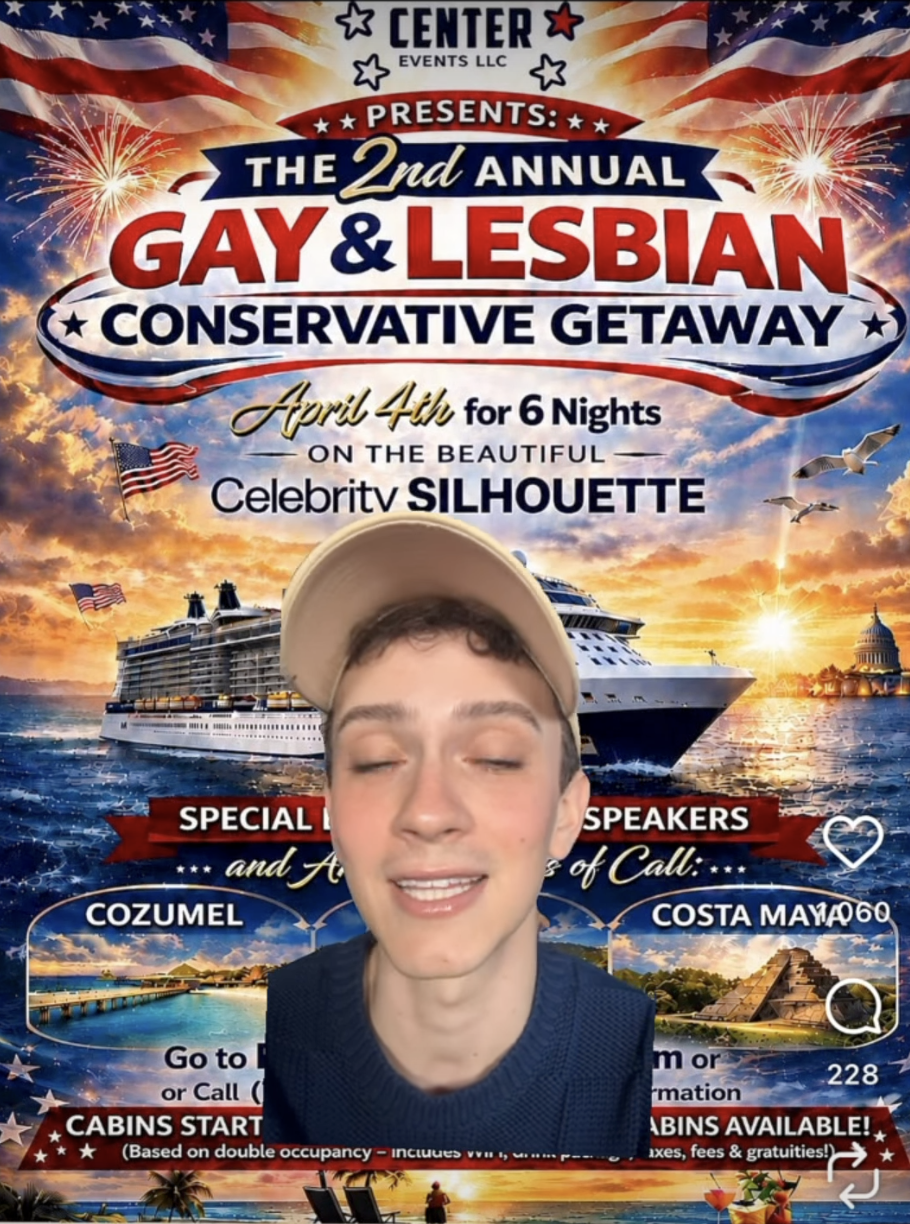
He shared examples of actual promotional materials being used for restaurants, events, and other businesses. These weren't hypothetical graphics created to make a point. They were real advertisements being shared publicly.
The designs featured enormous lettering, dramatic lighting, vibrant colors, oversized food images, and so many visual elements competing for attention that it was difficult to know where to look first.
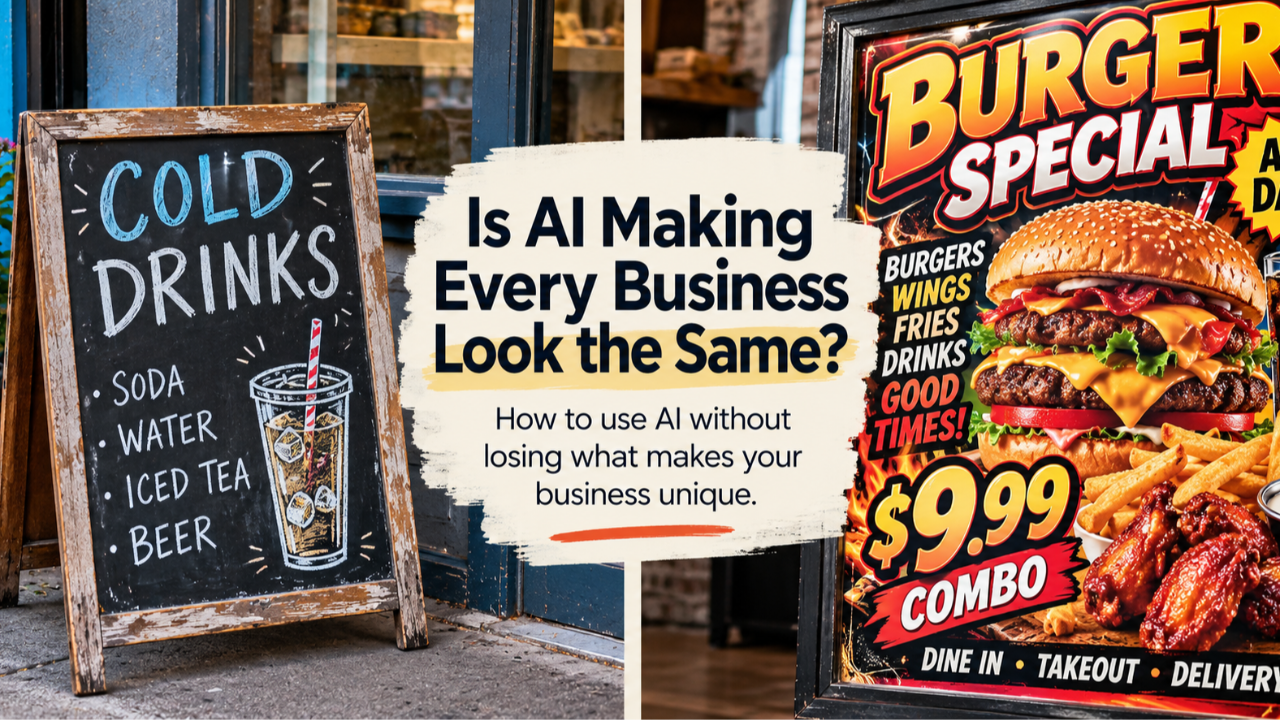
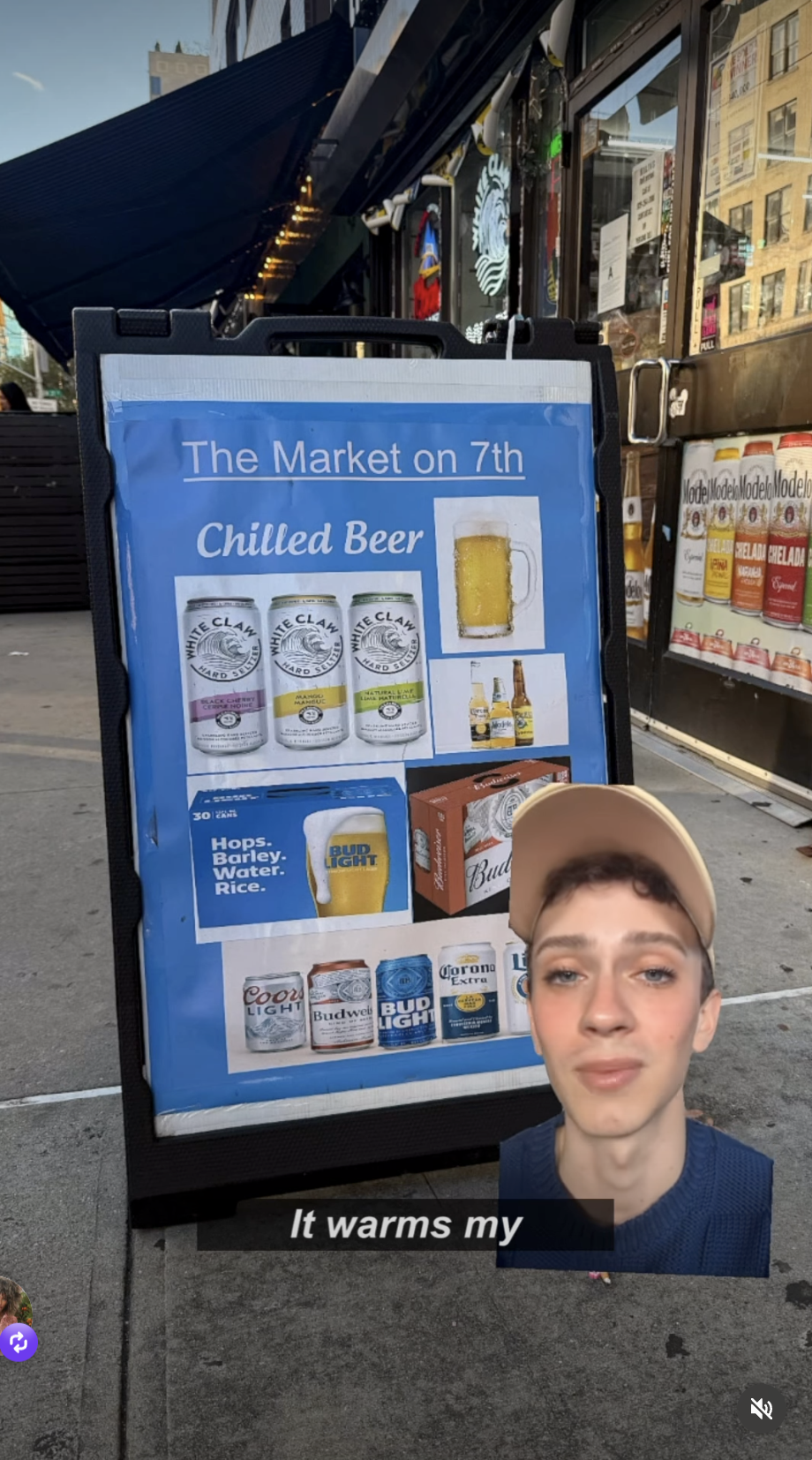
Then he showed something completely different: a simple sign outside a deli advertising cold beverages.
It wasn't fancy. It didn't have dramatic effects or elaborate typography. But it communicated exactly what the business was selling.
His preference for that simple sign raised an interesting question.
Are we becoming so focused on making everything look professionally designed that we're forgetting what makes marketing effective in the first place?
What Is AI Slop, and Why Are So Many People Searching for It?
There's actually a name for the kind of AI-generated content that's flooding social media, websites, and advertising: AI slop.
AI slop refers to low-quality, often mass-produced content created using artificial intelligence with little originality, thought, or human involvement. It can include everything from generic blog posts and repetitive social media captions to exaggerated images, unrealistic food photography, and promotional videos that all seem to follow the same formula.
And people are paying attention.
According to keyword research data, the phrase "AI slop" receives an estimated 165,000 Google searches per month (see the screenshot below). That's a significant amount of interest in a term describing something many consumers are becoming increasingly familiar with.

In fact, Merriam-Webster selected "slop" as its 2025 Word of the Year, reflecting just how widespread the conversation has become.
But here's something business owners should understand: Using AI doesn't automatically mean you're creating AI slop.
The problem begins when businesses publish content without considering their customers, their brand personality, or how accurately that content represents what they actually offer.
Think about the restaurant examples above. A promotional graphic might grab someone's attention, but does it accurately represent the restaurant, its food, and the experience customers can expect?
AI can help businesses create content faster. But when everyone uses similar prompts, templates, images, and messaging without adding anything original, businesses risk becoming harder to tell apart.
And that brings us right back to the question: Is AI making every business look the same?
When Everyone Has Access to Professional-Looking Design
Not long ago, creating attractive promotional materials required graphic design experience, expensive software, or the budget to hire someone.
Today, a business owner can describe what they want to an AI tool and receive a finished graphic in seconds.
Need a flyer for a restaurant's weekend special? AI can create one.
Promoting an upcoming event? AI can generate an elaborate advertisement.
Launching a new product? AI can produce images that look like they came from a professional photography studio.
For small businesses with limited marketing budgets, this is a significant advantage.
But there's another side to it.
When thousands of businesses use similar AI tools, prompts, and design styles, their marketing materials can begin to look remarkably similar.
Think about some of the promotional graphics you've seen recently.
-
Oversized fonts with dramatic shadows and glowing effects.
-
Extremely bright colors and exaggerated lighting.
-
Food and products that look almost too perfect.
-
Multiple headlines, promotional offers, and images crowded into one design.
-
Backgrounds filled with unnecessary details.
There's nothing inherently wrong with using these design elements.
The problem is that when everyone uses them, they stop making a business stand out.
Something that initially looked impressive can eventually become so common that people stop paying attention.
The Restaurant Graphics That Started the Conversation
One of the most interesting examples in the Instagram video involved restaurant advertising.
The creator showed actual promotional graphics featuring enormous burgers, loaded appetizers, dramatic food photography, oversized lettering, and multiple offers competing for attention.
One restaurant advertisement included burgers, wings, ribs, nachos, alcoholic beverages, promotional pricing, and several additional messages, all in one graphic.
The design was certainly attention-grabbing.
But was it communicating effectively?
If a potential customer has to spend several seconds figuring out what the restaurant is promoting, the graphic may be working against the business.
And there's another issue. When restaurants use AI-generated food photography, the images may not accurately represent what customers will receive.
Imagine seeing an advertisement for a restaurant featuring a perfectly stacked burger with flawless ingredients, dramatic lighting, and an almost unreal appearance.
Now imagine visiting that restaurant and receiving something completely different.
The advertisement may have attracted your attention, but it also created an expectation.
Attractive marketing should never come at the expense of accurately representing what you're selling.
That's especially important for restaurants, where customers often make decisions based on photographs of the actual food.
Why a Simple Deli Sign Can Be More Appealing
The creator made an interesting comparison between elaborate AI-generated promotional graphics and a simple sign he saw outside a deli.
The sign featured recognizable beverage products against a plain blue background with the words "Chilled Beer."
There were no elaborate effects, dramatic lighting, or complicated promotional messages. It was straightforward. And that's exactly why he liked it.
The sign didn't try to impress anyone with its design. It simply communicated what was available.
Of course, that doesn't automatically make it more effective than every AI-generated advertisement. We'd need actual customer response data to make that determination. But it demonstrates something business owners should consider.
Sometimes a simple, recognizable image and a clear message can communicate more effectively than an elaborate design.
- Not every social media post needs to look like a movie poster.
- Not every restaurant promotion needs ten different visual elements.
- And not every business needs to look like a national brand to attract customers.
Sometimes showing people exactly what you offer is enough to get their attention.
Are We Losing the Personality Behind Small Businesses?
This is the part of the conversation I find especially interesting.
Small businesses often have something larger companies spend enormous amounts of money trying to create: personality.
Think about your favorite neighborhood restaurant, barbershop, boutique, bakery, or wellness spa.
What makes that business memorable?
- It might be the owner who greets customers by name.
- The employee who has been there for years.
- The homemade food.
- The unique products.
- The atmosphere.
Or the way the business makes customers feel when they walk through the door. Those are things that make a business different.
But when every business uses similar AI-generated images, generic promotional language, and nearly identical design styles, some of that individuality can get lost.
Consider a local wellness spa promoting its facial treatments.
An AI-generated image of a beautiful treatment room with soft lighting and flawless skin might look attractive. But that image could represent almost any spa.
Now imagine the business shares an actual photograph of its treatment room, introduces the person performing the treatment, and explains what customers can expect during their appointment.
Which one helps a potential customer get to know the business? The second approach provides information that a generic AI-generated image cannot. And that personal connection can influence someone's decision to book.
Does This Mean Small Businesses Should Stop Using AI?
Absolutely not. I use AI, and I believe it can be a valuable resource for small businesses.
Not every business owner can afford to hire a graphic designer, photographer, or marketing agency for every promotional campaign.
AI can help business owners create materials they might not otherwise have the time, budget, or experience to produce. But there's a difference between using AI as a creative tool and allowing it to make every creative decision for your business.
For example, AI can help you:
-
Develop ideas for promotional campaigns and social media content.
-
Create different layouts for advertisements and flyers.
-
Improve or remove distracting backgrounds from photographs.
-
Resize graphics for websites, emails, and social media platforms.
-
Experiment with headlines, colors, and visual concepts.
-
Create supporting design elements that complement your existing branding.
You can also combine AI-generated elements with actual photographs of your products, employees, customers, and business location. The objective shouldn't be to eliminate AI from your marketing.
It should be to use AI in ways that make your marketing better without sacrificing what makes your business recognizable. And before publishing anything AI creates, review it carefully.
Check the spelling, pricing, dates, addresses, product details, and visual accuracy. A professional-looking graphic containing incorrect information can create more problems than it solves.
Attractive Marketing Doesn't Always Mean Effective Marketing
Here's another point I think deserves more attention. Business owners sometimes evaluate their marketing based on how attractive something looks or how many likes it receives. But those numbers don't necessarily tell you if the marketing is helping your business grow.
A beautifully designed restaurant advertisement could receive hundreds of likes without generating a single catering inquiry.
Meanwhile, a simple photograph of an actual catering order, accompanied by a clear message and an easy way to request a quote, might generate paying customers.
The difference isn't necessarily the quality of the design. It's how effectively the marketing connects customer interest with the next step.
For example:
- If you're promoting a restaurant special, are people placing orders?
- If you're advertising a facial treatment, are people booking appointments?
- If you're promoting an event, are people purchasing tickets?
If you're advertising catering services, can potential customers easily submit an inquiry and receive a timely response?
I discuss this further in my article, How Restaurants Can Get More Catering Inquiries and Bookings, including how restaurants can turn customer interest into actual business opportunities.
The point is that marketing should do more than look impressive. It should help customers understand what you offer and make it easy for them to take action.
Before Publishing Your Next AI-Generated Graphic, Ask Yourself These Six Questions
You don't need graphic design experience to evaluate your marketing materials.
But you should take a few minutes to consider how potential customers might perceive them.
1. Does this graphic actually represent my business?
If you removed your logo and business name, could the same graphic be used by several competitors?
If the answer is yes, consider adding something more specific to your business.
2. Is the message immediately clear?
Can someone understand what you're promoting within a few seconds?
If the design contains too many headlines, images, colors, or promotional offers, consider simplifying it.
3. Would a real photograph communicate more effectively?
Sometimes an actual photograph of your food, products, team, or location tells customers more than an AI-generated image.
You can still use AI to help improve the presentation.
4. Am I creating unrealistic expectations?
If you're advertising food, products, services, or a physical location, make sure the images accurately represent what customers can expect.
5. Does this look like every other AI-generated advertisement?
Look at the colors, fonts, lighting, and overall layout.
If it resembles dozens of other promotional graphics you've seen, consider taking a different creative approach.
6. What do I want customers to do after seeing this?
- Visit your website?
- Book an appointment?
- Place an order?
- Request information?
Your design should support that action rather than distract from it.
Standing Out Goes Beyond Graphic Design
There's another important part of this conversation. Your marketing materials are only one way potential customers become familiar with your business.
People also find businesses through Google Search, Google Maps, AI search tools, customer reviews, websites, and recommendations.
And just as your visual marketing should reflect what makes your business different, your online presence should communicate that individuality too.
Your business's experience, services, customer feedback, photographs, and useful content can help potential customers better understand what you offer.
I've written more about this in How Small Businesses Can Build Visibility on Google and AI Search Without a Big PR Budget.
The same principle applies to both graphic design and online visibility.
Giving people more accurate, specific, and useful information about your business is often more valuable than trying to look like everyone else.
AI Should Help Your Business Stand Out, Not Blend In
We're going to see more AI-generated marketing materials, not less.
And as these tools continue to improve, creating polished graphics will become even easier. But when almost everyone has access to similar design capabilities, appearance alone may become less of a competitive advantage.
That doesn't mean good design is no longer valuable. It means businesses need to think beyond simply making something look professional.
Your actual products, employees, customers, experiences, personality, and business story are things that make your business different.
AI can help you communicate those qualities. But it shouldn't replace them.
The next time you're creating a promotional flyer, social media graphic, or advertisement, don't just ask yourself if it looks impressive.
Ask yourself if it represents your business, communicates clearly, and gives potential customers a reason to choose you.
Because the goal isn't to look like every other business using AI. It's to give customers a reason to remember yours.
What Do You Think?
Are you noticing that more AI-generated advertisements and promotional graphics are starting to look alike?
When you're deciding where to eat, shop, or book a service, do you prefer real photographs and simpler designs, or do elaborate promotional graphics catch your attention?
I'd love to hear your perspective, especially if you're a business owner using AI to create your own marketing materials.
This article was inspired by an Instagram video from creator Matt Bernstein (@mattxiv), who shared examples of AI-generated promotional graphics and discussed how their growing popularity is changing our perception of graphic design. Watch the original Instagram video.